IPV4000 : ( 10000 mg of DEWAXED Cannabis Extract & 4000mg Cannabinoids ) @ ₹ 9000

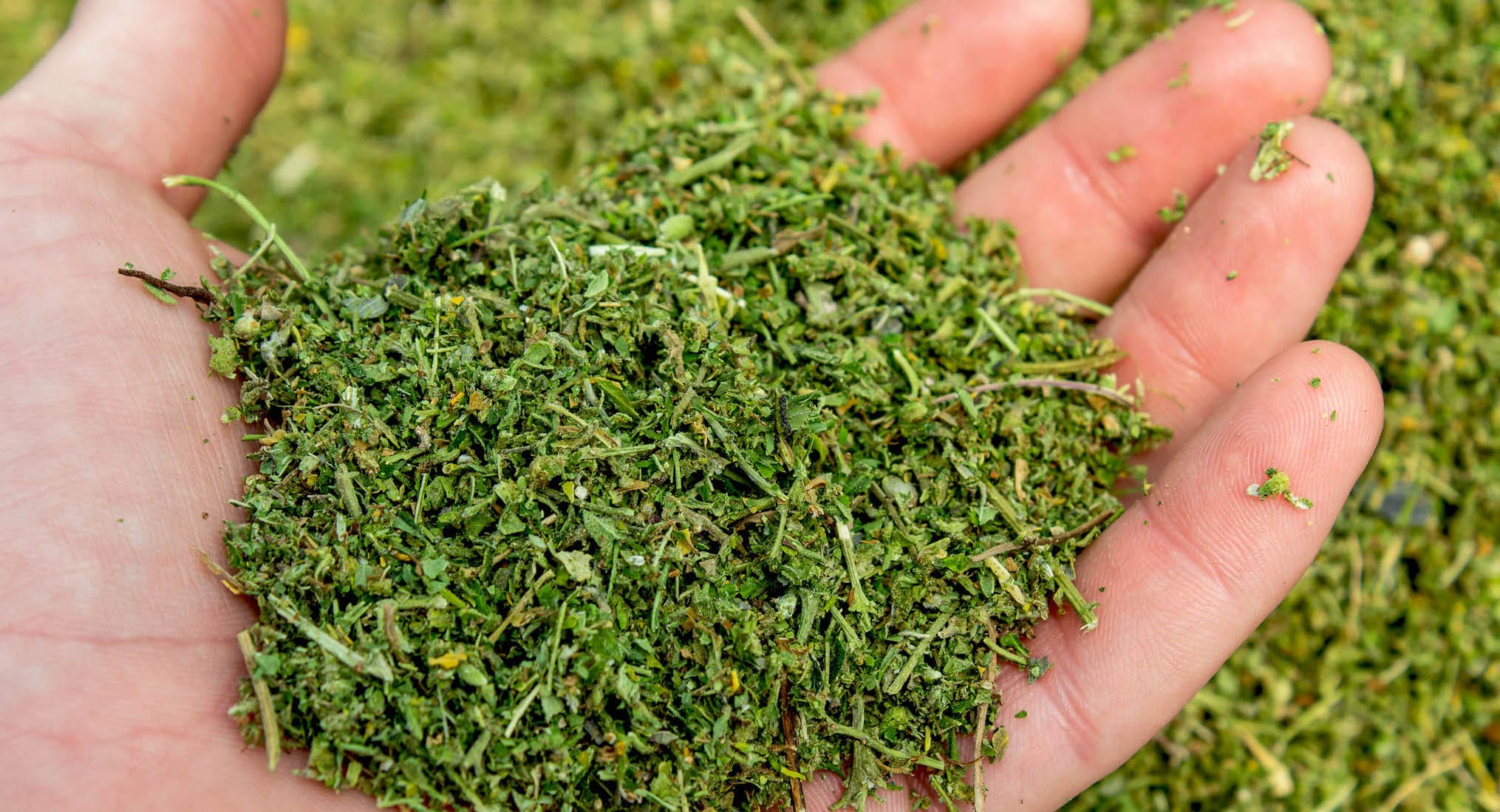
Dewaxed cannabis extract formulation undergoes a heating process which activates Acidic compounds within the extract. It means product has undergone a process called decarboxylation, in other way medical extract or raw cannabis dried bio mass has undergone a chemical process as a result of heating over time. The Raw cannabis extract if prepared in a proven scientific way will certainly contain  Terpenes, flavinoids, cannabinoids. Phytochemicals known or unknown, proven scientifically or unproven are definitely present in the extract . This Formulation undergoes a process where in  Plants waxes , Lipids and chlorophyll are removed . Now this extract is referred to as Full spectrum extract . Dewaxed cannabis extract contains over 100 cannabinoids. When raw cannabis is analyzed for its chemical properties, it is found that extract contains CBD & THC in abundant quantity, since larger chunk of CBDA and THCA gets converted into CBD and THC after the extract has gone through decarboxylation process. Sufficient amount of CBG is present too, CBG is the pre stage of CBN.

Price: INR(GST Included)
0 / 5

Product Insight

IPV4000 : ( 10000 mg of DEWAXED Cannabis Extract & 4000mg Cannabinoids ) @ ₹ 9000

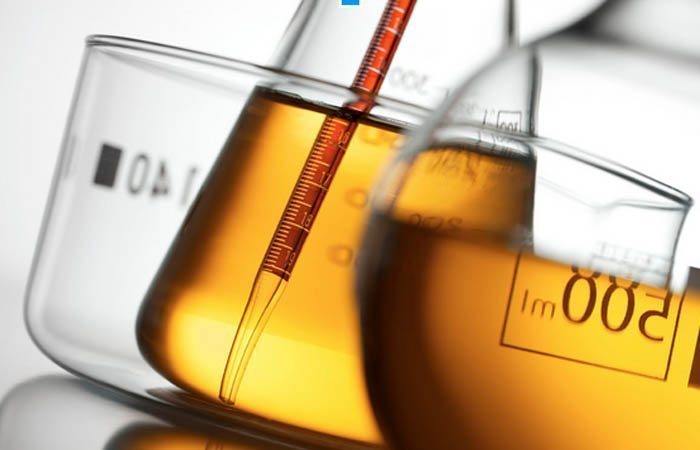
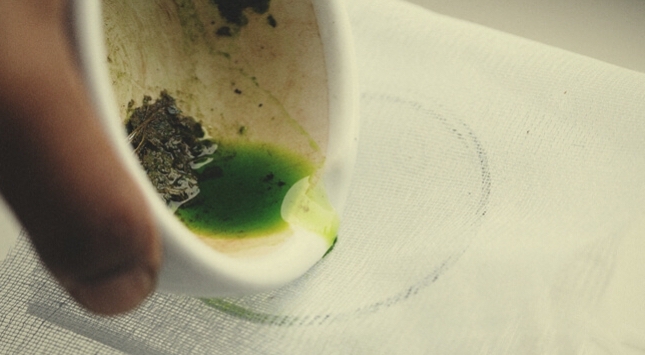
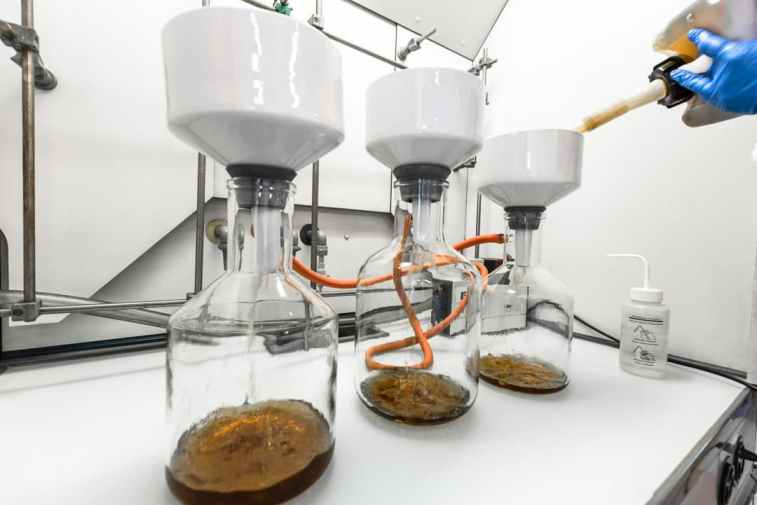
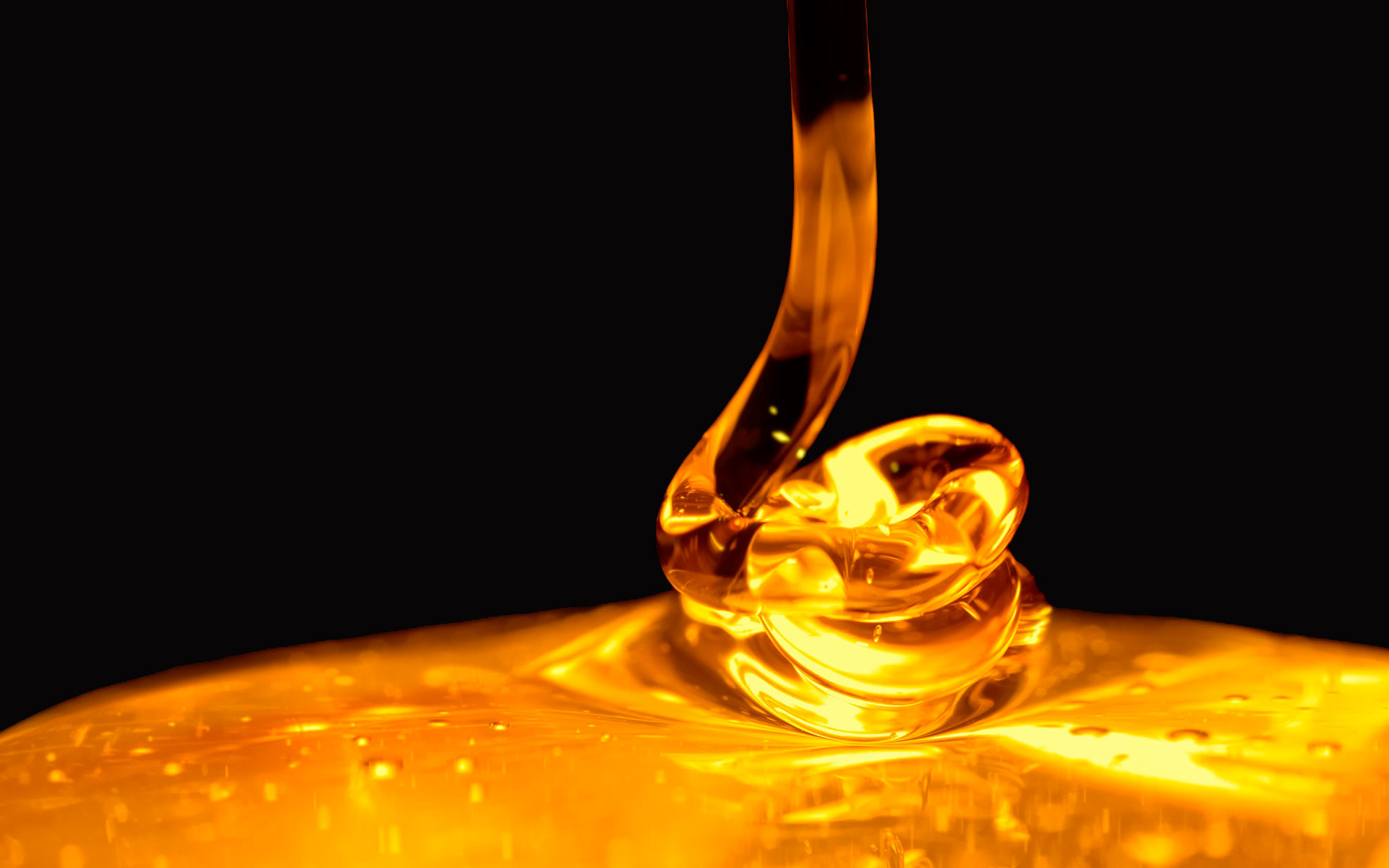
DEWAXING : As the name states plants natural waxes and Lipids (Lipids are oily or greasy  molecules) which form 30% of the raw cannabis extract are removed by a process called  WINTERIZATION . This process seems simple but is quite scientific and tedious and involves Scientific Machinery and manpower . It is a must that No cannabinoids or terpenes are lost along with natural waxes which can lead to cannabinoid wash ( leading to less potent medicine) . Pharmacists need to be super careful with Exact machinery, and measurement techniques so that While heating the Plant material or the extract the most valuable Flavonoids and other useful components are not lost in air. These minor things make the medicine potent enough to be treated as Medicinal grade medicine. The cannabis Extract harvested at this stage has high viscosity like honey, the colour of this extract is Golden color if looked through a Glass container through sunlight, and colour seems maroon in the Glass vial.

DECARBOXYLATION : This particular formulation is specifically manufactured to include a process called Decarboxylation , which involves applying thermal energy to the Cannabis Extract itself OR Dried bio mass ( this energy should be very optimally used and itilizes special equioment - care needs to be takem not to harm existing Cannabinoids and terpees present ) .The Acidic componds THCA (tetrahydrocannabinolic acid) and CBDA ( cannabidiolic acid)  are the acid forms of THC and CBD. Decarboxylation process makes THCA and CBDA lose one of their carboxyl rings to become neuteral compounds (THC and CBD). This chemical change alters the shape of THCA  compound , new Compund THC shape  allows it to interact with our CB1 and CB2 receptors present in immune cells, throughout the nervous system, throughout the spine, in every brain cell, and even in the skin.CB1 receptors are located most densely in the central nervous system and are mainly responsible for how cannabinoids interact with the brain. Molecules like THC binds to CB1 receptors . 


PRODUCT CONTENT

INGREDIENTS

   Cannabinoid count of IPV4000

   2000mg  CBD  & 2000mg  THC 

  10,000mg of  vijaya Extract.

   200 mg of CBD + 200 mg of THC per ml  


INDICATIONS

   Drop Count of IPV4000

   10 ml of Extract has 240 drops 


  1.0 ml of Extract has 24 drops    


DOSAGE

   Cannabinoid Strength per ml of IPV4000

   10 ml has 2000 mg of CBD + 2000 mg of THC


   1 ml of IPV4000 = 400 mg ( CBD+ THC ) 


SIDE EFFECTS

    Keep out of reach of children.


PRECAUTIONS

    Avoid use in pregnancy.

   Keep out of reach of children.

   In case of overdose, get medical help 

   Do not drink alcohol while using this medication

ADMINISTRATION

   Sublingual  way    


QUALITY

Pharmacists@INDOGENIX LABS Process roughly 50 kilogram of the Dried bio mass to formulate dewaxed and decarboxylated extract  and is assigned a batch number. The sample from each batch is tested for its contents via a third party Laboratory (the third party laboratory has no stake from Indogenix Biosciences) & one product sample is submitted to Govt. Authorities. Once the report is in, we crosscheck if there are any heavy metals or any trace pf pesticide is found.  If any trace is found, complete 50 kg  batch is rejected. So far we are lucky, never to find any trace of pesticides or fertilizers in the extract , since the Bio mass is sourced from natural spring waters of Parvathy valley and the raw material is actually not manually grown by farmers it is grown in the wild, farmers just pluck leaves and supply us raw material via Govt. Agencies involved.


Image 1
Image 1

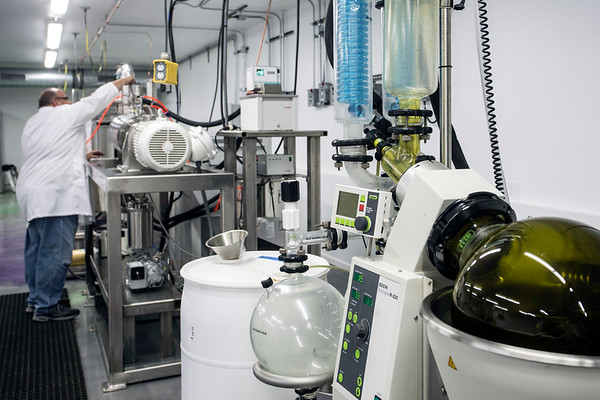
Quality Control experts @ INDOGENIX LABS Lay emphasis in manufacturing products which preserve cannabinoids so that they remain close to its natural form, Special care and sophisticated equipment being used while going through all the phases of extractions to formulations. Cannabinoids are heated at just required temperatures and are not ever  overheated. Special Glass material and Steel material is being be used so that heavy metals do not find a way reaching formulations . We consider terpenes Major component of formulations , we make sure that terpenes do not escape with air making the medicines less efficient .  These terpenes are literally medicinal components. Like lemon fragrance OR rose fragrance have different effects on our body, similarly these terpenes are super helpful in making all body functions balanced. In terms of Ayurveda we can say the terpenes assist in balancing “KAFFA” , “PITTA” & “AGNI” .


RESEARCH

This Cannabis Pure Extract depending upon the Origin of harvest, season, Type of strain leads to two different kinds of cannabinoid profiles. With Experience Our Pharmacists have learnt the cannabinoid profiles of different crops at different times. Cannabinoid profile Extracted from Dried bio mass also depends upon the Tweak in the process of extraction, Our Pharmacists have mustered the art of producing CBD dominant and CBD balanced extracts. If CBD: THC ratio is 4:1, we call it CBD Dominant, If CBD: THC ratio is 1:1 we refer is to be CBD Balanced. Based on this Cannabinoid profile we have two products available. Since the viscosity of pure extract is very high, it cannot be bottled, as expensive medicine will fail to come out easily while administering to patient, hence a novel method of storage is identified in the form Glass Vials. You just need to remove Front silicone stopper from Vial and press the plunger from behind few drops Come out fairly nicely.


Image 1
Image 1

 We at Indogenix employ Food grade Ethanol Based Extraction. Ethanol is sourced from Sugar industry and is purely organic and medicinal grade. This Ethanol, is the same alcohol present in alcoholic beverages, produced from the fermentation of yeast and sugars .The relative ease of access, low cost and low flammability make alcohol ideal for extraction. Ethanol extractions will vary in quality and also to the length of time the cannabis is in contact with the solvent. Short washes (under a minute) will produce a shatter-textured cannabinoid rich extract of high purity containing quite a lot of CBDA and its related compounds , once cold-filtered (winterized), but terpene levels won't be nearly as high as when Cannabis raw material is soaked in Ethanol for extended period of time . So Pharmacists at Indogenix needs to take careful predetermined path chosen after lots of experiments and expertize of scientists involved. The main idea is that extract needs to have all the terpenes present along with sufficient amount of CBD phytochemicals so that the medicine remains potent.


MORE INFORMATION

Our research associates, Pharmacists and Doctors are putting continuous efforts in new drug development, clinical trials and clinical validations to offer the medical ecosystem an alternative new treatment. As part of our Product quality control, every batch undergoes in house Lab testing, Government of India Laboratory Testing and a third party testing from European laboratory, while these tests have proved that our medicinal compound extracts are of high grade and comparable to international standards.Indogenix Bio science has aligned with few research based medical intuitions where in Cannabinoid based Clinical trials are in progress on Cell lines from breast cancer to many more . Initial results are a pat on our scientists ,  

INDOGENIX LABS cannabis research Initiave program  is  looking at the impacts of cannabis on the aging brain, how to treat adolescents who are abusing cannabis, how Cannabis  can treat pediatric neurologic diseases, how cannabinoids can treat autoimmune diseases like lupus, etc. We are also developing some of the world’s first human studies on the use of cannabis and cannabinoids to treat opioid use disorder, to prevent or slow Alzheimer’s disease, and to increase survival in cancer patients. 


Image
Image

We understand, there have been no randomized placebo-controlled studies of cannabis done in humans for most of the conditions that people anecdotally use cannabis for. Right now, the state of the evidence is largely limited to animal studies and observational studies, neither of which are reliable. Time and time again, what we see in animal studies doesn’t pan out for humans. And the results from observational studies are subject to large placebo effects, which are even stronger for cannabis because of its “miraculous” reputation.The conditions we do have good human data for benefit are chronic pain, nausea and vomiting related to chemotherapy, muscle spasticity in multiple sclerosis, and certain pediatric epilepsy conditions. . 

And we are super careful inside lab not to use any Bins or machinery having plastic parts. We always use high Grade Steel and borosilicate Glass. Some Of the Machinery is custom made in India, some is imported.Special high end equipment is utilized to test the final products ,to make sure no pesticides , OR heavy metals OR any Bacteria etc exists in the formulations . Our Extract syringes and all our glassware is made from Class A non-reactive borosilicate glass and the benefits include patient compliance, reduction of dosing errors, minimized risk of contamination.

This plant can be understood, but it will take considerable time because of the hundreds of compounds within it and the multitude of ways to consume it. The future of cannabis is where we understand what types of cannabis or combinations of cannabinoids, at what dosage, using which consumption method, for what type of person, with which disease, could provide benefit or could harm them. We are particularly concerned about the risks of cannabis to certain vulnerable populations, like folks with mental health issues, adolescents with developing brains, and pregnant woman.

 info@Indian cannabis environment  in India So far does not allow  cultivation of cannabis , only One state has passed some laws to allow its cultivation ,  but law only allows the cultivation of those crops which do not yield higher amount of THC cannabins .  If any plant is found to be producing higher THC crop is burnt and cultivation becomes unlawful . Any natural strain of cannabis will produce all the cannabinoids Either CBD OR THC  . But Humans will do what suits them business wise , Scientists in the western world started producing Hybridized cannabis plants by altering its DNA structure or what ever technique they found suitable to make the crop produce maximum amount of CBD .

One area that we are particularly excited about is understanding how cannabis compounds may be able to reduce opioid use in chronic-pain patients, reduce opioid withdrawal symptoms, and prevent relapse in folks who are recovering from opioid use disorder. We realize few of or states ( Punjab and adjoining areas ) are undergoing  worst opioid epidemic in history, and it’s incredibly urgent and important that we apply modern science to cannabis and understand if it could play a role in helping the opioid epidemic.

Image

FAQ

CB1 receptors are found primarily in the brain, more specifically in the basal ganglia and in the limbic system, including the hippocampus. They are also found in the cerebellum and in both male and female reproductive systems. CB1 receptors are absent in the medulla oblongata, the part of the brain stem responsible for respiratory and cardiovascular functions. Thus, there is not the risk of respiratory or cardiovascular failure that can be produced by some drugs, such as opioids. CB1 receptors appear to be responsible for the euphoric and anticonvulsive effects of cannabis.

CB2 receptors are predominantly found in the immune system or immune-derived cells with the greatest density in the spleen. While found only in the peripheral nervous system, a report does indicate that CB2 is expressed by a subpopulation of microglia in the human cerebellum. CB2 receptors appear to be responsible for the anti-inflammatory and possibly other therapeutic effects of cannabinoids. CBD binds only weakly to both the CB1 and CB2 receptor sites and its health benefits cannot be explained with traditional cannabinoid receptor binding. It is unclear how CBD functions and its mechanism of action is a current topic of investigation.

The endocannabinoid system (ECS) regulates many physiological processes involved in relaxation, eating, sleeping, certain inflammatory responses and even cognitive function. There are two types of cannabinoid receptors found throughout the body (CB1 and CB2), but they are most abundant in the brain and immune system respectively. In fact, the CB1 receptor is the most densely populated G-coupled protein receptor in the human brain. New evidence indicates that a cannabinoid-like ligands act on wide variety of biological targets, such as the transient receptor potential cation channel, nuclear receptors and other orphaned G-coupled protein receptors (i.e., TRPV1, PPAR, GPR18 and GPR55), and represents a fascinating area to develop new therapeutic targets.

Cannabinoids are a class of diverse chemical compounds that act on cannabinoid receptors on cells that modulate physiological responses in the brain, peripheral nervous and immune systems. The native endocannabinoid ligands (produced naturally in the body by humans and animals), the phytocannabinoids (found in cannabis and some other plants), and synthetic cannabinoids (manufactured chemically) bind to receptors throughout the body and control downstream signal transduction. One example of a cannabinoid is Cannabidiol (CBD), which is a major substituent in hemp and hemp extracts. The chemical compound for CBD is illustrated in FIG. 5. Some researchers believe that CBD shows promise of potential clinical applications in a variety of medical conditions. It may have multiple potential applications such as for the treatment of epilepsy and other motor disorders, inflammation, mood and anxiety disorders, sleep dysfunction and eating disorders. CBD is also considered a promising antineoplastic agent on the basis of its in vitro and in vivo activity against tumor cells.

;